 Moon rocks
 flowers
 Wax
Wax Snow balls
 vapes
vapes prerolls




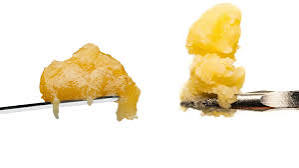
Introduction: Understanding Live Rosin vs Live Resin
The cannabis concentrate market contains an enormous variety of products, extraction methods, textures, aromas and cannabinoid profiles. For someone new to concentrates, the terminology can become confusing very quickly. Two of the terms that create the most confusion are live rosin and live resin.
The names Live Rosin vs Live Resin sound similar, both products are commonly associated with flavorful concentrates, and both can be made using cannabis that has been frozen shortly after harvest. Yet the two products are fundamentally different in how they are produced.
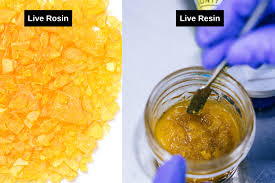
Live rosin is a solventless concentrate made from fresh-frozen cannabis, while live resin is generally produced from fresh-frozen cannabis through solvent-based extraction.
That difference affects how each product is manufactured, how producers approach terpene preservation, the textures consumers encounter, production economics and the way shoppers evaluate products.
However, there is an important misconception to avoid: one category isn’t automatically “better” than the other.
A high-quality live resin from a reputable, regulated producer may be a better purchase for one consumer than an expensive live rosin product. Conversely, someone who specifically values solventless extraction may consider live rosin the better choice.
This guide provides an extensive educational comparison of live rosin and live resin, covering:
- What “live” means
- How fresh-frozen cannabis is used
- Live rosin production
- Live resin production
- Solventless extraction
- Solvent-based extraction
- Terpenes
- Cannabinoids
- Potency
- Flavor
- Aroma
- Texture
- Fresh press
- Cold cure
- Sauce
- Sugar
- Badder
- Pricing
- Laboratory testing
- Product labels
- Storage
- Quality indicators
- Buying considerations
- Common misconceptions
- Frequently asked questions
- A practical comparison framework
For readers interested for Live Rosin vs Live Resin in additional cannabis education and product information, ROZa Los Angeles City can also be referenced alongside this guide where legally applicable.
Important: Cannabis laws, product availability, testing requirements and age restrictions vary by jurisdiction. This article is educational and does not replace local laws, professional advice or product-specific laboratory information. Where cannabis products are legal, consumers should use licensed and regulated sources.
Does live resin taste better than live rosin?
Taste is subjective. Both can offer strong aroma and flavor profiles. The specific cannabis genetics, terpene composition, extraction process and storage conditions can have a significant effect on the final experience.
Where can I learn more about live rosin and live resin?
You can continue researching extraction methods, cannabis concentrates, terpenes, laboratory testing and storage through reputable educational resources. You can also visit ROZa Los Angeles City at https://rozalosangelescity.com for additional cannabis-related content, where legally applicable.
What should I look for when buying live rosin or live resin?
Look for a reputable and appropriately regulated source, clear product labeling, batch information, laboratory results where applicable, cannabinoid and terpene information, suitable packaging and transparent product information. Always follow the laws applicable to your location.
Which is better for flavor: live rosin or live resin?
There is no universal answer. Both can have pronounced flavor and aroma profiles. Genetics, terpene composition, extraction, processing and storage can all influence the final product
Is live rosin safer than live resin?
It isn’t appropriate to assume that one category is automatically safer. Product safety depends on factors including manufacturing practices, contamination controls, testing and regulatory compliance. Purchasing appropriately tested products from legitimate sources is important.
Can live resin be used in vape products?
Yes. Live resin is commonly used in certain cannabis vape formulations. Consumers should pay attention to the manufacturer, ingredients, laboratory testing and applicable legal requirements.
Can live rosin be used in vape products?
Yes, rosin can be used as the basis for certain vape products. Consumers should only use products manufactured and labeled for vaping and follow applicable regulations and manufacturer instructions.
How should live resin be stored?
Follow the product’s specific storage instructions. Generally, concentrates should be protected from excessive heat, light and environmental exposure to help preserve their characteristics.
How should live rosin be stored?
Follow the manufacturer’s storage instructions and protect the concentrate from excessive heat, direct light and unnecessary environmental exposure. Different rosin textures can have different storage requirements.
Why should I check the COA before buying a concentrate?
A COA can help you verify important information about a specific batch. When available, it provides a more objective way to evaluate a product than relying solely on advertising or appearance.
What are cannabis terpenes?
Live Rosin vs Live Resin Terpenes are naturally occurring aromatic compounds found in many plants, including cannabis. They contribute significantly to the aroma and flavor characteristics of different cannabis varieties.
Why is fresh-frozen cannabis used for live concentrates?
Fresh-freezing helps preserve characteristics associated with freshly harvested cannabis. These characteristics can contribute to the aroma, flavor and chemical profile of the resulting concentrate
The Basic Difference Between Live Rosin and Live Resin
Before getting into the technical details, it helps to establish a simple foundation.
What Is Live Rosin?
Live rosin is a solventless cannabis concentrate made using fresh-frozen cannabis. The plant material is processed using physical methods involving heat and pressure rather than conventional extraction solvents.
The word “live” refers to the use of fresh-frozen plant material.
The word “rosin” refers to the solventless extraction method.
Therefore:
Live + rosin = fresh-frozen cannabis + solventless extraction.
What Is Live Resin?
Live resin is a cannabis concentrate generally produced from fresh-frozen cannabis using solvent-based extraction. Hydrocarbon solvents such as butane or propane can be used in professional closed-loop extraction systems.
Therefore:
Live + resin = fresh-frozen cannabis + solvent-based extraction.
This distinction is extremely useful because it explains why two products can both be called “live” while still being made differently.
What Does “Live” Actually Mean?
The word live can make cannabis concentrates sound more complicated than they really are.
In this context, “live” doesn’t mean the finished product contains a living plant.
Instead, it generally describes the condition of the cannabis used as the starting material.
Traditional cannabis flower is commonly dried and cured after harvest. Live concentrates instead use cannabis that is frozen soon after harvest, before conventional drying and curing.
The purpose of freezing is to help preserve volatile compounds and the characteristics of freshly harvested plant material.
Leafly explains that fresh-frozen cannabis is the defining starting material for both live resin and live rosin.
This gives us an important concept:
“Live” describes the starting material, not the extraction method.
That means:
- Live rosin is not the same as live resin.
- Both can start with fresh-frozen cannabis.
- Rosin describes the solventless extraction approach.
- Resin describes a solvent-based concentrate category.
Why Fresh-Frozen Cannabis Matters
To understand live concentrates, you first need to understand why producers freeze cannabis.
Cannabis flowers contain microscopic structures called trichomes. These structures are associated with cannabinoids, terpenes and other compounds that contribute to the plant’s characteristics.
During conventional drying and curing, the chemical composition of plant material changes over time.
Fresh-freezing attempts to preserve the characteristics of harvested cannabis before those post-harvest changes occur.
This is one reason live concentrates have become associated with intense aroma and flavor.
Live resin, for example, is specifically marketed around retaining characteristics of fresh cannabis through immediate freezing after harvest.
However, fresh-freezing by itself doesn’t guarantee a superior final product.
Quality can still depend on:
- Genetics
- Cultivation
- Harvest timing
- Plant health
- Handling
- Freezing technique
- Storage
- Extraction
- Post-extraction processing
- Packaging
- Laboratory testing
This is an important buying lesson.
“Fresh-frozen” is a production characteristic, not a guarantee of
What Are Trichomes?
Trichomes are tiny structures found on cannabis plants, especially around the flowers.
They are important because they contain many of the compounds that concentrate producers seek to collect.
Among the compounds associated with trichomes are:
- Cannabinoids
- Terpenes
- Other aromatic compounds
The appearance of trichomes can change throughout the plant’s maturation.
For concentrate producers, the goal is generally to preserve and collect desirable material efficiently while minimizing unwanted contamination.
Because trichomes are delicate, how cannabis is handled after harvest can influence the resulting concentrate.
Live Rosin Explained in Detail
Live rosin has become one of the most recognized categories of premium solventless concentrates.
The process begins with cannabis that has been frozen after harvest.
Instead of using hydrocarbon solvents to dissolve and extract compounds, solventless production relies on physical separation.
Heat and pressure are central to rosin production.
The resulting concentrate can then be processed into different textures and styles.
The Meaning of Solventless
One of the most important terms to understand is solventless.
Solventless doesn’t mean that the product has never undergone any processing.
It means that conventional chemical solvents aren’t used as the extraction mechanism.
For rosin, heat and pressure are used to separate the desired material.
This distinction is one of the primary reasons consumers specifically seek live rosin.
How Live Rosin Is Produced
At a high level, professional solventless production can involve several stages.
Stage 1: Cultivation
Cannabis is grown under controlled conditions.
The producer considers:
- Genetics
- Growing environment
- Plant health
- Harvest timing
- Trichome development
Stage 2: Harvest
The cannabis is harvested at the producer’s selected maturity point.
Stage 3: Fresh freezing
Instead of allowing the cannabis to undergo conventional drying and curing, it is frozen.
Stage 4: Preparation
The frozen material can be processed into a form appropriate for solventless extraction.
Stage 5: Separation
Physical processes separate desirable resinous material from unwanted plant matter.
Stage 6: Pressing
Heat and pressure are used to produce rosin.
Stage 7: Post-processing
Depending on the desired final product, the rosin may undergo controlled curing or other processing.
Stage 8: Packaging
The finished concentrate is packaged and stored according to the producer’s procedures.
The exact production process differs between producers.
That matters because two products carrying the same “live rosin” label can have very different characteristics.
Live Resin Explained in Detail
Live resin also starts with fresh-frozen cannabis.
The major difference is the extraction method.
Professional live resin production generally uses a solvent-based extraction process, commonly involving hydrocarbons such as butane or propane in a closed-loop system.
The goal is to extract the desired compounds from the frozen cannabis while preserving a desirable aromatic and cannabinoid profile.
After extraction, the product undergoes processing designed to produce its final consistency and remove or control unwanted components.
Why Closed-Loop Extraction Matters
The phrase closed-loop extraction frequently appears in discussions of live resin.
A professional closed-loop system is designed to contain and recover solvents during extraction rather than allowing them to be freely released.
This is important because hydrocarbon extraction requires specialized equipment, controlled conditions and professional handling.
Consumers should not attempt commercial solvent extraction themselves.
From a buying perspective, this is another reason to choose products manufactured by licensed and regulated producers where such products are legal.
Live Rosin vs Live Resin Extraction Comparison
Here’s the central comparison:
| Characteristic | Live Rosin | Live Resin |
|---|---|---|
| Starting material | Fresh-frozen cannabis | Fresh-frozen cannabis |
| Extraction approach | Solventless | Solvent-based |
| Conventional chemical solvents | No | Yes |
| Common production principle | Heat + pressure | Solvent extraction |
| Typical positioning | Premium/craft | Broad consumer market |
| Common textures | Fresh press, badder, jam | Sauce, sugar, badder |
| Price tendency | Often higher | Often lower |
| Flavor potential | High | High |
| Product quality | Depends on producer | Depends on producer |
The most important takeaway is that both categories can produce flavorful concentrates, but they reach the finished product through different methods.
Is Live Rosin Better Than Live Resin?
This is perhaps the most common question.
The honest answer is:
Not universally.
There is no objective rule saying every live rosin product is superior to every live resin product.
Instead, think about what you value.
If you prioritize:
- Solventless extraction
- Craft production
- Premium positioning
- Specific rosin textures
then live rosin may appeal to you.
If you prioritize:
- Flavor
- Variety
- Availability
- Price
- Different concentrate textures
then live resin may be more appealing.
The best choice is therefore personal.
Live Rosin Vs Live Resin Flavor
Live Rosin vs Live Resin Flavor is one of the most important reasons people explore live concentrates.
Both live rosin and live resin can have pronounced aromas because fresh-frozen cannabis is used as the starting material.
However, flavor depends on numerous variables.
Genetics
Different cannabis cultivars naturally produce different aromatic profiles.
Terpene composition
Terpenes contribute heavily to aroma and flavor.
Harvest
Harvest timing can influence the starting material.
Processing
Extraction and post-processing can affect the final profile.
Storage
Heat, light and oxygen can influence concentrate quality over time.
Therefore, saying:
“Live rosin always tastes better.”
would be an oversimplification.
A more accurate statement is:
Both live rosin and live resin can offer strong flavor, but their specific flavor profiles depend on the cultivar, processing and preservation of aromatic compounds.
Understanding Terpenes
Live Rosin vs Live Resin Terpenes are naturally occurring aromatic compounds found in many plants.
In cannabis, they contribute to:
- Aroma
- Flavor
- Sensory character
Examples frequently discussed in cannabis include:
- Myrcene
- Limonene
- Caryophyllene
- Pinene
- Linalool
- Humulene
Different cultivars can contain different terpene combinations.
This is why two concentrates with similar THC percentages can smell and taste dramatically different.
Why Terpene Profiles Matter More Than THC Alone
Many inexperienced shoppers focus almost exclusively on THC percentage.
That’s understandable because THC is an important cannabinoid associated with cannabis’ intoxicating effects.
But THC percentage doesn’t tell you everything about a concentrate.
Consider two hypothetical products:
Product A
- 80% total cannabinoids
- Minimal terpene information
Product B
- 76% total cannabinoids
- Detailed terpene profile
- Strong batch information
- Reputable manufacturer
- Recent testing
A consumer who prioritizes flavor might reasonably prefer Product B.
This demonstrates why potency isn’t the same as quality.
Live Rosin Vs Live Resin Potency
Neither live rosin nor live resin automatically wins the potency comparison.
Potency varies according to:
- Starting material
- Extraction efficiency
- Processing
- Product formulation
- Batch
- Laboratory testing
A specific live resin can have a higher cannabinoid concentration than a specific live rosin.
Another live rosin can have a higher concentration than another live resin.
Therefore:
Never assume potency based solely on the product category.
for Live Rosin vs Live Resin instead, examine the actual laboratory results for the specific batch where available.
Understanding THC, THCA and Total THC
Live Rosin vs Live Resin Cannabis labels can use several different cannabinoid measurements.
You may encounter:
THC
The neutral cannabinoid associated with the familiar intoxicating effects of cannabis.
THCA
The acidic precursor to THC that naturally occurs in raw cannabis.
Total THC
A calculated value intended to account for THC that may result from conversion of THCA under specified assumptions.
Because labeling rules differ by jurisdiction, always interpret these numbers according to the applicable regulations and the product’s laboratory documentation.
Live Rosin Texture
One of the most interesting aspects of live rosin is the range of textures available.
You may see terms such as:
- Fresh press
- Cold cure
- Badder
- Batter
- Jam
- Hash rosin
These names describe characteristics of the product rather than automatically defining quality.
What Is Fresh Press Live Rosin?
Live Rosin vs Live Resin Fresh press refers to rosin that is relatively close to its freshly pressed state.
It may appear:
- Glossy
- Translucent
- Sticky
- Smooth
- Glass-like
Fresh press can be more sensitive to environmental conditions.
Temperature changes can affect its consistency.
For this reason, storage recommendations matter.
What Is Cold-Cure Live Rosin?
Cold-cure rosin undergoes additional controlled processing after pressing.
The goal is often to develop a more stable, workable consistency.
Leafly describes cold cure as generally more stable at room temperature than fresh press, which can be more susceptible to changes in color, consistency and taste.
This is why cold cure is popular with consumers who prefer a creamy or badder-like consistency.
What Is Rosin Jam?
Rosin jam is another style of solventless concentrate.
It generally has a thicker, more sauce-like or jam-like appearance.
The texture can be visually attractive and highly aromatic.
However, appearance alone doesn’t establish laboratory quality.
Always consider the complete product profile.
Live Resin Texture
Live resin can appear in several forms.
Sauce
Loose and fluid.
Sugar
Granular or crystalline.
Badder
Soft and whipped.
Sap
Sticky and viscous.
The exact appearance can vary significantly depending on processing.
Live Resin Sauce Explained
Live resin sauce is commonly associated with a high-aroma concentrate consistency.
The word sauce primarily describes the texture.
It doesn’t automatically mean:
- Higher quality
- Higher potency
- Better flavor
- Cleaner product
Those characteristics must be evaluated separately.
Live Resin Sugar Explained
Live resin sugar typically has a grainier or crystalline appearance.
It can be easier to portion than very fluid sauce, depending on its consistency.
Again, texture isn’t a reliable substitute for laboratory testing.
Live Rosin And Live Resin Price
Live Rosin vs Live Resin Price is one area where shoppers often notice a significant difference.
Live rosin frequently commands premium pricing.
There are several possible reasons:
- Solventless processing
- Labor
- Starting-material requirements
- Production yields
- Craft positioning
- Processing complexity
- Market demand
Live resin may be more accessible because solvent-based production can be scaled differently.
But price varies dramatically by market and brand.
Is Expensive Concentrate Better?
Live Rosin vs Live Resin Not necessarily.
Price can reflect:
- Brand
- Production cost
- Packaging
- Retailer markup
- Market positioning
- Starting material
- Processing
- Testing
- Demand
A premium price isn’t a laboratory result.
Therefore, smart shoppers should compare:
Price + quality + testing + reputation + product characteristics.
Why Some Live Rosin Costs So Much
Premium solventless production can be resource-intensive.
The producer needs:
- High-quality starting material.
- Proper post-harvest handling.
- Appropriate freezing.
- Careful processing.
- Specialized equipment.
- Experienced workers.
- Appropriate packaging and storage.
The economics can make premium live rosin considerably more expensive than some other concentrate categories.
Why Live Resin Can Be More Affordable
Live resin’s extraction technology can be scaled for commercial production.
This doesn’t mean all live resin is inexpensive.
Premium live resin can still command substantial prices depending on the producer and market.
But production economics can make live resin accessible to a wider range of consumers.
Live Rosin And Live Resin Quality
Live Rosin vs Live Resin Quality should be evaluated at several levels.
Level 1: Starting material
Was quality cannabis used?
Level 2: Processing
Was it professionally produced?
Level 3: Testing
Is there credible laboratory documentation?
Level 4: Packaging
Was it packaged appropriately?
Level 5: Storage
Was it protected from damaging conditions?
Level 6: Transparency
Can you identify the producer and batch?
This framework is more useful than simply asking:
“Is rosin better than resin?”
Why Laboratory Testing Matters
Live Rosin vs Live Resin Concentrates are highly concentrated cannabis products.
Testing provides information that shoppers can’t reliably determine simply by looking Live Rosin vs Live Resin at a jar.
Depending on the jurisdiction, laboratory analysis can cover areas such as:
- Cannabinoid potency
- Residual solvents
- Pesticides
- Heavy metals
- Microbial contaminants
- Other regulated contaminants
Requirements vary by location.
That’s why consumers should look for legally compliant products with appropriate testing information.
How to Read a Certificate of Analysis
A Certificate of Analysis, often abbreviated as COA, is a laboratory document reporting test results.
Depending on the product and jurisdiction, it may include:
Cannabinoid results
Such as:
- THC
- THCA
- CBD
- CBDA
- CBG
Terpene results
Some laboratories provide detailed terpene percentages.
Contaminant results
Potentially:
- Pesticides
- Heavy metals
- Microbials
- Residual solvents
Batch information
The batch number should correspond to the product being sold.
Don’t Trust a Random Laboratory Screenshot
Live Rosin vs Live Resin A common problem in online cannabis marketing is displaying a laboratory result without enough information to verify that it corresponds to the product.
A credible COA should have enough identifying information to establish:
- Laboratory
- Product
- Batch
- Date
- Testing categories
- Results
Consumers should be cautious when information appears incomplete or impossible to verify.
Live Rosin Vs Live Resin and Residual Solvents
Live Rosin vs Live Resin another important distinction.
Live rosin is produced without conventional extraction solvents.
Live resin uses solvents during extraction.
That doesn’t mean a legally produced live resin product necessarily contains unsafe levels of residual solvents.
Professional extraction and laboratory testing are designed to address this issue.
Therefore, shoppers should focus on actual testing and regulatory compliance, rather than assuming a product is safe or unsafe solely because of its category.
Why Legal and Regulated Sources Matter
Where cannabis is legal, regulated markets typically establish requirements around:
- Production
- Testing
- Packaging
- Labeling
- Sales
- Age restrictions
These rules exist to create consumer protections and standards.
Consumers should verify the laws applicable to their location before purchasing or possessing cannabis products.
For legal-market education and product information, ROZa Los Angeles City can be used as a brand reference, while readers should independently verify local legal requirements.
Live Rosin vs Live Resin Vapes
Live Rosin vs Live Resin Concentrates can also appear in vape products.
The fundamental distinction remains:
Live rosin vape: uses a rosin-based concentrate.
Live resin vape: uses a resin-based concentrate.
But vape hardware introduces additional considerations.
Consumers should examine:
- Ingredient disclosure
- Cannabinoid content
- Terpene information
- Manufacturer
- Laboratory testing
- Batch number
- Hardware quality
- Applicable regulatory information
Why Hardware Matters in Vape Products
Even a high-quality concentrate can be poorly experienced if the hardware isn’t appropriate.
Potential hardware considerations include:
- Heating element
- Oil compatibility
- Airflow
- Leakage resistance
- Battery performance
- Manufacturing quality
Consumers should follow the manufacturer’s instructions.
Live Rosin vs. Live Resin for Beginners
If you’re new to concentrates, don’t let Live Rosin vs Live Resin terminology overwhelm you.
Start with these five questions:
1. Is it legal where I live?
2. Is it from a regulated source?
3. Can I verify the laboratory results?
4. What exactly is in the product?
5. Does the product match what I’m looking for?
You don’t need to understand every extraction term before making an informed decision.
A Beginner’s Buying Framework
Imagine you’re comparing two products.
Product A
Live rosin
Premium price
Detailed COA
Known producer
Terpene information
Product B
Live resin
Lower price
Detailed COA
Known producer
Terpene information
Which should you choose?
There isn’t a universal answer.
If solventless extraction is important to you, Product A may make more sense.
If price and value are more important, Product B may make more sense.
Experienced Consumers May Focus on Terpene Profiles
Once you’ve become familiar with concentrate categories, you may start paying more attention to terpene profiles.
Instead of simply asking:
“Is this live resin?”
you might ask:
“What cultivar was used?”
“What is the dominant terpene profile?”
“When was it produced?”
“How was it stored?”
This allows a much more informed comparison.
Why Cultivar Matters
The starting genetics can strongly influence the final aromatic profile.
Different Live Rosin vs Live Resin cultivars may express different combinations of:
- Myrcene
- Limonene
- Caryophyllene
- Pinene
- Linalool
- Humulene
Therefore, the same extraction technique applied to two different cultivars can produce dramatically different products.
Why Harvest Timing Matters
Cannabis plants change throughout maturation.
Producers monitor the plant’s development to determine when they want to harvest.
Harvest timing can influence:
- Cannabinoid composition
- Terpene expression
- Trichome characteristics
- Starting material quality
That means extraction isn’t the only factor influencing the final concentrate.
Why Post-Harvest Handling Matters
Immediately after harvest, cannabis begins undergoing changes.
How the material is handled can influence the quality of the starting material.
For live concentrates, Live Rosin vs Live Resin freezing is particularly important because the objective is to preserve characteristics associated with freshly harvested cannabis.
Poor handling can undermine the advantages of starting with fresh material.
How Storage Affects Concentrates
Cannabis concentrates can be affected by:
- Heat
- Light
- Oxygen
- Time
- Temperature fluctuations
These factors can influence:
- Texture
- Aroma
- Flavor
- Appearance
Consumers should follow the manufacturer’s storage instructions.
Don’t assume that all concentrates should be stored identically.
Fresh Press Storage
Fresh press can be particularly sensitive to environmental conditions.
Because Live Rosin vs Live Resin texture and composition can change with temperature, storage recommendations should be followed carefully.
The objective is to minimize unnecessary exposure to:
- Heat
- Light
- Air
Cold Cure Storage
Cold-cure rosin is generally more stable than fresh press under ordinary conditions, but appropriate storage remains important.
Even a well-made concentrate can deteriorate if repeatedly exposed to unsuitable temperatures.
Live resin also benefits from appropriate storage.
Live Resin Storage
Pay particular attention to:
- Container sealing
- Temperature
- Light exposure
- Time
A product that was excellent when manufactured can change if poorly stored.
Why Packaging Matters
Packaging protects concentrates from environmental factors.
Good packaging can help minimize exposure to:
- Oxygen
- Light
- Heat
- Contamination
The exact packaging requirements depend on the jurisdiction and product of Live Rosin vs Live Resin
Appearance: What Should You Look For? Between Live Rosin vs Live Resin
Consumers often judge concentrates visually.
That’s understandable, but appearance is only one piece of information.
A concentrate can vary in:
- Color
- Clarity
- Texture
- Crystallization
- Consistency
These differences can occur naturally due to cultivar and processing.
Therefore:
Don’t judge a concentrate entirely by color.
Is Dark Concentrate Bad?
Not necessarily.
Color can be affected by:
- Genetics
- Processing
- Oxidation
- Storage
- Plant material
- Age
A darker product isn’t automatically poor quality.
Likewise, a very light product isn’t automatically superior.
Is Light-Colored Concentrate Better?
Again, not necessarily.
Color is not a substitute for laboratory testing.
The best approach is to evaluate:
- Producer
- Batch
- Testing
- Storage
- Aroma
- Texture
- Product information
Common Marketing Terms
Cannabis concentrate marketing uses many terms that can be confusing.
Let’s clarify some of them.
Live
Fresh-frozen starting material.
Rosin
Solventless concentrate.
Resin
A concentrate category generally associated with solvent extraction.
Live rosin
Fresh-frozen cannabis + solventless extraction.
Live resin
Fresh-frozen cannabis + solvent-based extraction.
Fresh press
Recently pressed rosin.
Cold cure
Controlled post-processing of rosin.
Sauce
A fluid concentrate texture.
Sugar
A crystalline/granular concentrate texture.
Badder
A soft, whipped concentrate texture.
Live Resin vs. Resin
These terms aren’t always interchangeable.
Resin can refer broadly to cannabis resin or a resin-based concentrate.
Live resin specifically indicates that fresh-frozen cannabis was used.
Therefore:
Live resin = resin concentrate made using fresh-frozen cannabis.
Why People Confuse Live Rosin vs Live Resin
The names are extremely similar.
But the production methods are different.
A useful memory trick is:
ROsin = ROughly think “press”
RESin = think “extraction”
That’s only a memory aid, not a technical definition, but it can help beginners remember the distinction.
Live Rosin vs Live Resin: The Consumer Experience
Consumers often describe differences between Live Rosin vs Live Resin
- Aroma
- Flavor
- Texture
- Smoothness
- Overall character
However, individual experiences vary.
Two people can try the same product and describe it differently.
That is why objective information such as laboratory testing and product transparency is valuable.
Why “Best” Is Subjective
There is no universally best concentrate.
One person may value:
Solventless production.
Another may value:
Affordable pricing.
Another may care most about:
Terpene profile.
Another may prioritize:
Specific cultivar.
Another may want:
A particular texture.
A good buying guide therefore helps consumers match products to their own priorities.
A Live Rosin Buying Checklist
Before purchasing live rosin, consider:
- Is it legal in your location?
- Is the seller licensed where required?
- Is the manufacturer identifiable?
- Is the batch identifiable?
- Is laboratory testing available?
- Is the cannabinoid profile provided?
- Is terpene information provided?
- Is the product appropriately packaged?
- Are storage instructions provided?
- Does the price make sense for the product?
A Live Resin Buying Checklist
Before purchasing live resin:
- Confirm legality.
- Verify the source.
- Identify the producer.
- Check the batch number.
- Review laboratory results.
- Examine cannabinoid information.
- Review terpene information where available.
- Check production/storage information.
- Compare price with comparable products.
What Makes a Trustworthy Cannabis Product Page?
If you’re shopping online, Live Rosin vs Live Resin a trustworthy product page should provide useful information rather than simply making exaggerated claims.
A strong page can include:
- Product name
- Product category
- Brand/manufacturer
- Cannabinoid information
- Terpene information
- Net quantity
- Laboratory information
- Batch information where appropriate
- Legal compliance information
- Storage guidance
- Customer-service information
For educational product information and legal-market resources, you can also explore ROZa Los Angeles City.
Claims Consumers Should Be Careful With
Be skeptical of claims such as:
- “100% safe”
- “No risks”
- “Guaranteed strongest”
- “Medical cure”
- “Best for anxiety”
- “Guaranteed effect”
- “Completely harmless”
These claims can be unsupported or misleading.
A better approach is to rely on verifiable product information and applicable regulations.
Why Educational Content Matters
A strong buying guide shouldn’t simply tell someone:
“Buy this product.”
It should teach them how to evaluate products themselves.
That’s particularly important for a technical subject like cannabis concentrates.
Google’s current guidance emphasizes helpful, reliable, people-first content and specifically encourages content that provides substantial, original value rather than content produced primarily to manipulate search rankings.
That means an article like this should answer real questions rather than repeatedly inserting the keyword “live rosin vs live resin.”
Live Rosin vs. Live Resin for Flavor Seekers
If flavor is your priority, look at:
Cultivar
What genetics were used?
Terpene profile
Which aromatic compounds are present?
Freshness
When was it produced?
Storage
Was it stored properly?
Processing
How was the concentrate handled?
This gives you much more useful information than simply seeing the words “premium” or “high potency.”
Live Rosin vs. Live Resin for Value Seekers
If your primary concern is value, compare:
Price per unit
with:
Quality
and:
Testing
Don’t simply choose the cheapest product.
A cheaper product with unclear manufacturing information isn’t necessarily a better deal.
Live Rosin vs Live Resin for Connoisseurs
Experienced concentrate consumers may focus on:
- Cultivar genetics
- Producer reputation
- Harvest information
- Extraction philosophy
- Terpene profile
- Texture
- Cure
- Freshness
- Batch consistency
This is where product-specific information becomes more useful than generic category descriptions.
How Brand Reputation Matters
A trustworthy producer should make it reasonably easy for consumers to understand:
- Who made the product
- What the product contains
- How it was tested
- What batch it belongs to
- How it should be stored
Transpa
What to Do If a Product Has No Testing Information
If you’re in a regulated market and a product doesn’t provide expected laboratory/testing information, pause before purchasing.
Find out:
When information is unclear, another product with transparent documentation may be
- Whether testing is required.
- Whether the seller can provide documentation.
- Whether the product is legally authorized.
- Whether the batch can be verified.
Buying Cannabis Concentrates Online
Online cannabis commerce is highly dependent on location and local law.
Before purchasing, verify:
- Whether online cannabis sales are legal where you are.
- Whether delivery is legal.
- Whether the seller is licensed.
- Whether age verification is required.
- Whether shipping across jurisdictions is prohibited.
- Whether the product is legally authorized.
Never assume that because a website accepts orders, the transaction is automatically legal.
ROZa Los Angeles City and Educational Content
For readers interested in additional information, ROZa Los Angeles City can serve as the brand destination associated with this educational content.
The website should complement articles like this with clear product information, transparent policies, applicable legal information and responsible consumer education.
From an SEO perspective, the strongest approach is to make the article useful even for someone who has never heard of the brand.
That creates a better experience than turning every paragraph into an advertisement.






 Edibles
