 Moon rocks
 flowers
 Wax
Wax Snow balls
 vapes
vapes prerolls


THCA vs THC When it comes to cannabis, THCA vs THC few topics create as much curiosity as the difference between THCA vs THC. While both are related, they serve very different purposes in the cannabis plant and in your body. Whether you’re new to cannabis or an experienced enthusiast, understanding how THCA transforms into THC, how each interacts with your system, and what products offer the best experience is key to unlocking cannabis’s full potential.
At Rozal’s Los Angeles City, we believe education is the foundation of responsible cannabis THCA vs THC use. Our mission is to empower you with accurate, science-based, and practical information so you can make informed choices when it comes to your health, wellness, and recreation. In this ultimate guide, we will break down everything you need to know about THCA vs THC, including chemistry, effects, benefits, legal status, consumption methods, and expert recommendations.
1. What Are Cannabinoids?
Before diving into THCA and THC, it helps to understand what cannabinoids are. Cannabinoids are chemical compounds found in cannabis plants that interact with your body’s endocannabinoid system (ECS) — a complex network of receptors that regulate mood, sleep, pain, appetite, and immunity.
There are over 120 known cannabinoids, but the most popular and researched ones are:
- THC (Tetrahydrocannabinol) — the psychoactive compound responsible for the “high.”
- CBD (Cannabidiol) — a non-psychoactive compound known for its calming and therapeutic effects.
- THCA (Tetrahydrocannabinolic Acid) — the acidic precursor to THC, found in raw cannabis.
- CBDA, CBG, CBN — other minor cannabinoids that contribute to the entourage effect.
Understanding THCA and THC means understanding how cannabinoids evolve through chemical changes — especially decarboxylation, the process that turns THCA into THC.
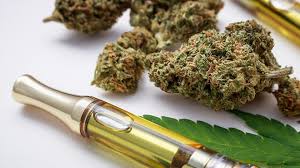
THC (Tetrahydrocannabinol) is the compound that gives cannabis its signature psychoactive effects — the “high” that many consumers seek.
When you smoke, vape, or cook cannabis, heat converts THCA into THC. That’s why raw cannabis doesn’t make you high until it’s decarboxylated
What is the difference between THCA and THC?
THCA (Tetrahydrocannabinolic Acid) is the non-psychoactive form found in raw cannabis, while THC (Tetrahydrocannabinol) is the psychoactive compound that produces a “high.” THCA turns into THC when heated through smoking, vaping, or baking.
Does THCA get you high?
No, THCA doesn’t get you high in its raw form. It only becomes psychoactive when heated or decarboxylated, transforming into THC — the compound responsible for cannabis’s euphoric effects
Is THCA legal in the U.S. in 2025?
Yes — but only under certain conditions. THCA derived from hemp with less than 0.3% Delta-9 THC is federally legal under the 2024 Farm Bill. However, once heated into THC, it may become illegal depending on your state’s cannabis laws.
Is THCA flower the same as THC flower?
Not exactly. THCA flower is raw hemp or cannabis that contains high levels of THCA but very low Delta-9 THC. When smoked or vaped, it turns into THC flower, providing psychoactive effects while staying federally compliant before use.
What are the benefits of THCA?
THCA is known for its potential anti-inflammatory, neuroprotective, and nausea-reducing properties. Many users take it for wellness benefits without experiencing the psychoactive high associated with THC.
What are the effects of THC?
THC produces psychoactive effects such as euphoria, relaxation, and altered sensory perception. It’s often used for pain relief, stress reduction, appetite stimulation, and better sleep.
Can THCA turn into THC naturally?
Yes, but slowly. THCA can convert into THC over time through heat, light, or air exposure — even during long storage. However, smoking or vaping accelerates this process instantly
Which is better: THCA or THC?
It depends on your goals. If you want therapeutic benefits without feeling high, THCA is better. If you seek relaxation, creativity, or stronger pain relief, THC may be the right choice.
What is the “decarboxylation” process?
Decarboxylation is the process of heating cannabis to activate its compounds. It removes a carboxyl group (COOH) from THCA, converting it into THC — the active ingredient responsible for the high.
Can I legally buy THCA products online?
Yes, you can purchase hemp-derived THCA products online as long as they contain less than 0.3% Delta-9 THC. Always check your state’s cannabis regulations before ordering to ensure compliance.
2. The Science of THCA: Nature’s Raw Cannabinoid
THCA, or Tetrahydrocannabinolic Acid, is found in the raw, unheated cannabis plant. It is not psychoactive in its natural form, meaning it doesn’t cause a high when consumed raw. THCA is created as cannabis plants grow — the enzyme THCA synthase converts another compound called CBGA (Cannabigerolic Acid) into THCA.
Characteristics of THCA:
- Exists only in fresh or raw cannabis.
- Non-psychoactive until heated.
- Can offer potential anti-inflammatory, neuroprotective, and anti-nausea benefits.
How THCA Converts Into THC
When THCA is exposed to heat — through smoking, vaping, or baking — it loses a carboxyl group (COOH), turning into THC. This process is called decarboxylation.
The reaction looks like this:
THCA → (heat/time) → THC + CO₂
That’s why raw cannabis leaves won’t get you high, but smoking or vaporizing them will.
3. What Is THC?
THC (Δ9-Tetrahydrocannabinol) is the compound that most people associate with marijuana. It’s the primary psychoactive ingredient responsible for the euphoric effects of cannabis. THC binds to CB1 receptors in your brain, producing sensations like relaxation, altered perception, and increased creativity.
THC doesn’t just make you feel high — it interacts with your brain’s reward system, influences dopamine release, and affects various regions responsible for memory, coordination, and time perception.
Effects of THC:
- Euphoria and relaxation
- Heightened sensory perception
- Increased appetite (“the munchies”)
- Pain and nausea relief
- Potential anxiety or paranoia in high doses
Medical Benefits of THC:
- Pain management
- Insomnia treatment
- Appetite stimulation for cancer or HIV patients
- Relief from muscle spasms and PTSD symptoms
At Rozal’s Los Angeles City, we promote understanding the right THC dosage for your needs — balancing enjoyment and therapeutic benefit while minimizing side effects.
4. THCA vs THC: Key Differences
| Feature | THCA | THC |
|---|---|---|
| Chemical Formula | C22H30O4 | C21H30O2 |
| State | Found in raw cannabis | Found after heating |
| Psychoactive | No | Yes |
| Legal Status | Often legal (hemp-derived) | Regulated or illegal in some states |
| Consumption | Juicing, tinctures, raw extracts | Smoking, vaping, edibles |
| Health Benefits | Anti-inflammatory, neuroprotective | Pain relief, appetite stimulation |
The biggest difference is psychoactivity — THCA will not make you high unless it’s heated into THC. That’s why products labeled “THCA flower” are technically legal under federal hemp laws, even though heating them releases psychoactive THC.
5. The Entourage Effect of THCA vs THC
Cannabis compounds rarely act alone. When THC, THCA, CBD, and other cannabinoids are combined, they produce what scientists call the entourage effect — a synergistic relationship where each compound enhances the others’ therapeutic properties.
For example:
- THCA may reduce THC-induced anxiety.
- CBD can modulate THC’s high, making it smoother.
- Terpenes like myrcene, limonene, and pinene influence aroma, flavor, and effects.
At Rozal’s Los Angeles City, we encourage users to explore full-spectrum products to experience this natural synergy.
6. Health Benefits of THCA vs THC
Though research is still early, THCA shows promising potential in wellness and medicine. Here are some areas where THCA might shine:
- Anti-Inflammatory Properties – THCA may reduce inflammation in conditions like arthritis and lupus.
- Neuroprotection – Early studies suggest THCA could help protect brain cells and reduce neurodegenerative damage in diseases like Alzheimer’s and Parkinson’s.
- Anti-Nausea Effects – Animal studies show THCA may relieve nausea even more effectively than THC.
- Antioxidant Support – It helps neutralize free radicals that cause cellular damage.
- Seizure Reduction – Some reports indicate THCA could contribute to seizure control when used with CBD.
Unlike THC, these benefits come without the high, making THCA appealing for wellness-focused users.
7. Health Benefits of THCA vs THC
THC remains one of the most effective cannabinoids for certain medical conditions. Its ability to directly interact with CB1 receptors gives it strong therapeutic potential, including:
- Chronic pain relief
- Muscle relaxation
- Improved sleep quality
- Reduction of PTSD symptoms
- Glaucoma pressure management
- Appetite stimulation
THC’s medical uses are so well-documented that many states include it in medical marijuana programs. When combined with THCA and CBD, it can provide a balanced, full-spectrum therapeutic profile.
8. How to Consume THCA
Since THCA is heat-sensitive, you must avoid decarboxylation if you want to preserve it. Here’s how to use it correctly:
- Raw Cannabis Juice or Smoothies — Blending fresh cannabis leaves or buds.
- Cold-Pressed Extracts — Concentrated raw THCA oils.
- Topicals and Creams — Non-psychoactive, localized relief.
- Sublingual Tinctures — For fast absorption without heating.
Tip from Rozal’s Los Angeles City: Store THCA products in cool, dark environments to prevent conversion into THC.
9. How to Consume THC
THC can be enjoyed in various ways depending on your preferences and tolerance:
- Smoking — Classic method using joints or pipes.
- Vaping — Cleaner and smoother, with temperature control.
- Edibles — Long-lasting effects, but delayed onset.
- Tinctures and Oils — Measured dosing with fast absorption.
- Topicals — For localized pain or inflammation relief.
Always start low and go slow when consuming THC, especially with edibles. Dosage and tolerance vary widely between individuals.
10. Legal Status: THCA vs THC
The legal distinction between THCA and THC can be confusing.
- THCA (from hemp with <0.3% Δ9-THC) is federally legal under the 2018 Farm Bill. However, heating it may produce illegal THC levels.
- THC remains federally illegal but is legalized for medical or recreational use in many states.
States like California, Colorado, and Oregon regulate both compounds under cannabis laws. Always check your local regulations before purchasing or using products.
At Rozal’s Los Angeles City, we only promote responsible, compliant cannabis use within legal frameworks.
11. THCA Flower and Modern Cannabis Trends
The rise of THCA flower is transforming the cannabis market. These are hemp flowers with high THCA content but compliant THC levels. Once smoked, they become THC-rich, offering legal psychoactive effects in many jurisdictions.
THCA flower is often marketed as:
- Legal THC alternative
- High-potency hemp
- Raw therapeutic cannabis
At Rozal’s Los Angeles City, we track and review the latest THCA flower strains to help consumers find the perfect balance between compliance and satisfaction.
12. How to Choose Between THCA vs THC
Your ideal choice depends on your goals:
| Goal | Recommended Compound |
|---|---|
| Pain relief | THC or THCA tinctures |
| Anti-inflammation | THCA (non-psychoactive) |
| Creative focus or euphoria | THC |
| Neuroprotection or wellness | THCA |
| Recreational enjoyment | THC flower or edibles |
| Legal compliance | THCA hemp products |
If you prefer therapeutic benefits without intoxication, THCA is your ally. If you seek classic cannabis effects, THC is your go-to.
13. Combining THCA vs THC
Using both together can create a balanced experience — THCA softens THC’s high while extending therapeutic benefits. Many users microdose both to achieve the perfect equilibrium between mind and body.
14. Risks and Precautions
Even natural compounds can have side effects.
THCA Risks:
- Limited research on long-term effects.
- May degrade into THC if improperly stored.
THC Risks:
- Overconsumption can cause paranoia or dizziness.
- Potential dependency in heavy users.
- Can impair driving and cognitive function.
Always consult healthcare professionals, especially if using cannabis for medical purposes.
15. Final Thoughts: Which Is Best for You? THCA vs THC
There’s no one-size-fits-all answer. THCA and THC complement each other — one offering raw, healing potential and the other delivering the classic high that has defined cannabis culture for decades.
Your perfect choice depends on your goals, tolerance, and legal jurisdiction. As cannabis research evolves, understanding the difference will become essential to enjoying safe, beneficial, and meaningful experiences.
At Rozal’s Los Angeles City, we believe in cannabis as a lifestyle — one rooted in knowledge, health, and respect for the plant. Explore our site for more expert-backed guides, product reviews, and community stories celebrating cannabis culture at its finest.
Explore More at Rozal’s Los Angeles City
Visit https://rozalosangelescity.com/ to read more about:
- Cannabis education and strain guides
- THCA flower reviews
- THC product comparisons
- Legal updates and dispensary insights
- Tips for responsible, enjoyable cannabis use
Join a growing community that values quality, authenticity, and awareness in the cannabis world. Whether you’re seeking wellness, creativity, or balance, Rozal’s Los Angeles City is your trusted destination for everything weed, wellness, and wisdom.



 Edibles
