

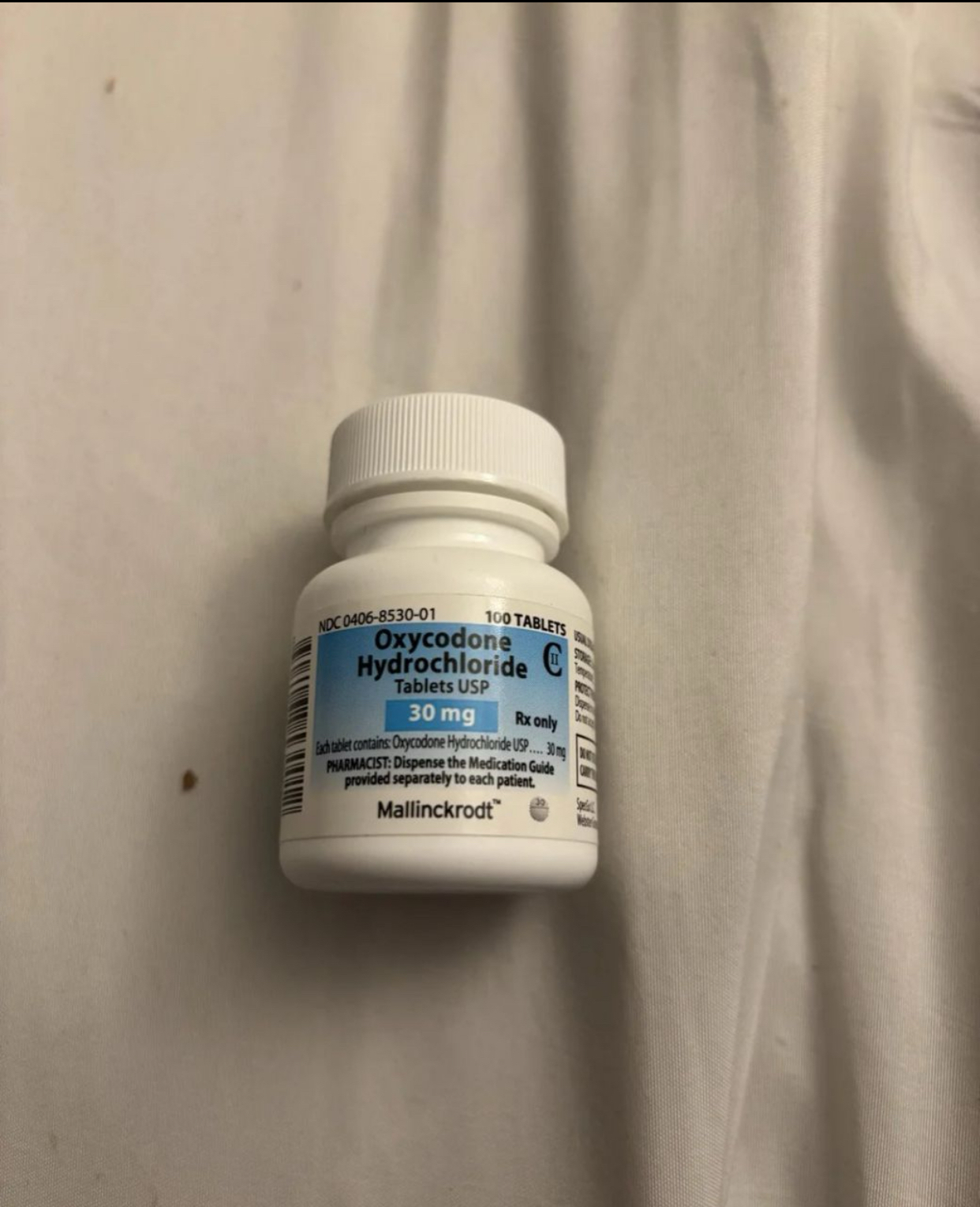





Oxycodone 30mg, often recognized by its distinctive blue color and imprint, is a powerful prescription opioid analgesic used to manage moderate to severe pain. As a semi-synthetic opioid derived from thebaine, oxycodone works by binding to specific receptors in the brain and spinal cord, effectively altering the perception of pain and emotional response to discomfort. This medication is commonly prescribed for patients recovering from surgery, those with chronic pain conditions, or individuals experiencing severe pain due to injury or illness.
Mechanism of Action
Oxycodone exerts its analgesic effects by interacting with the mu-opioid receptors in the central nervous system. When oxycodone binds to these receptors, it triggers a cascade of biochemical reactions that lead to the inhibition of pain signals being transmitted to the brain. This results in a significant reduction in the sensation of pain, allowing patients to engage in daily activities with greater comfort. Additionally, oxycodone can produce feelings of euphoria, which is why it is sometimes misused.
Indications and Uses of oxycodone
Oxycodone 30mg is typically indicated for:
- Postoperative Pain Management: It is often prescribed following surgical procedures to help alleviate pain during the recovery process.
- Chronic Pain Conditions: Patients suffering from conditions such as cancer, arthritis, or severe back pain may be prescribed oxycodone to manage their ongoing pain.
- Palliative Care: In end-of-life care, oxycodone can provide relief from severe pain, improving the quality of life for patients.
Dosage and Administration
Oxycodone 30mg is usually taken orally, with or without food, and should be swallowed whole to ensure proper absorption. It is crucial for patients to follow their healthcare provider’s instructions regarding dosage and frequency to minimize the risk of side effects and potential dependence. The medication is typically prescribed for short-term use, but some patients may require long-term management of chronic pain.
Side Effects of oxycodone
While oxycodone can be highly effective for pain relief, it is not without potential side effects. Common side effects include:
- Drowsiness
- Dizziness
- Nausea and vomiting
- Constipation
- Dry mouth
More severe side effects can occur, such as respiratory depression, confusion, and allergic reactions. Patients should be vigilant about any unusual symptoms and report them to their healthcare provider immediately.
Risks and Precautions
It has a high potential for abuse and addiction, particularly when used outside of a prescribed regimen. It is classified as a Schedule II controlled substance in the United States, indicating that it carries a significant risk of dependence. Patients with a history of substance use disorders should use oxy with caution and under strict medical supervision. Abrupt discontinuation of the medication can lead to withdrawal symptoms, so it is essential to taper off under a healthcare provider’s guidance.
Conclusion
Oxy 30mg can be a valuable tool in managing severe pain when used appropriately and under the supervision of a healthcare professional. It is essential for patients to communicate openly with their doctors about their pain management needs and any concerns regarding the use of opioids. For more information about oxy and other related topics, visit Rozalos Angeles City. Always consult with a healthcare professional before starting or stopping any medication to ensure safe and effective treatment.











 Edibles

Reviews
There are no reviews yet.